
Economic Need Versus Personal Safety
Tess of the d'UrbervillesThis flow follows the ways financial insecurity narrows Tess’s choices and makes assistance itself a source of danger.
increasing Bearing strength in each event
 decreasing
Bearing strength in each eventdecreasingNo Wealth in the Pedigree
No Wealth in the Pedigree
Symbolic status, material poverty
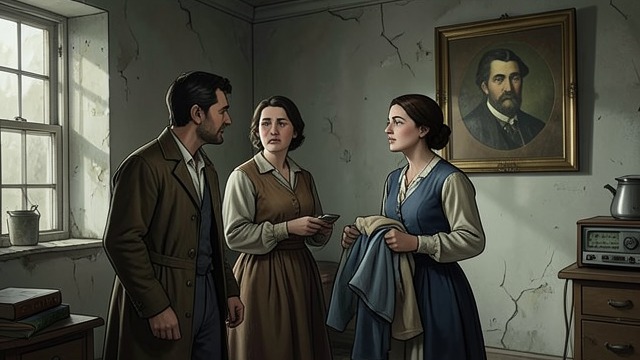
The Durbeyfields learn that their family once possessed estates, but no property remains to them. John’s pride cannot pay household expenses or replace a working horse.
Necessity drives the plot
The gap between imagined rank and actual poverty makes Tess’s labor essential. Her family’s need shapes the choices that take her away from home and into Alec’s reach.
Employment at The Slopes
Employment at The Slopes
A wage with a hidden cost
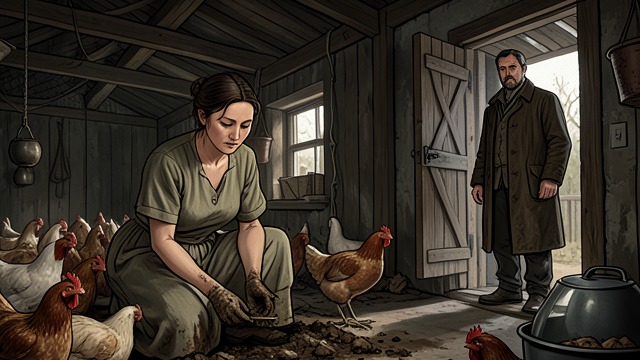
Tess accepts poultry work because her family needs money. The job seems safer than relying on a supposed relative’s charity, but it places her in a household controlled by Alec.
Dependence reshapes consent
Her employment and lodging create an unequal relationship. Alec’s gestures of generosity are difficult to separate from his power over her work and future prospects.
The Refused Allowance
The Refused Allowance
Pride and self-support
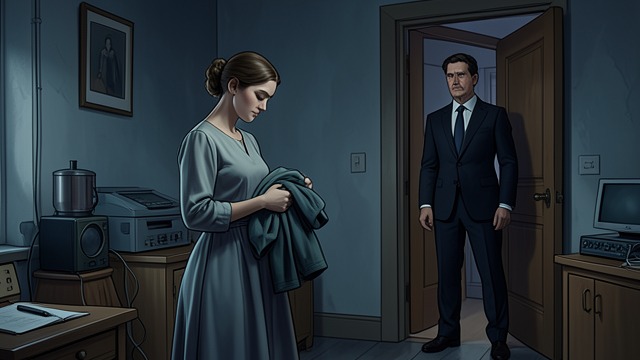
Angel leaves Tess money, but she spends cautiously and later sends a substantial portion to help her family. She avoids asking his parents for more, fearing humiliation and believing she has no moral claim.
Poverty deepens isolation
Tess chooses difficult work over dependence on the Clare family. Her pride preserves a sense of independence but also narrows the help available to her.
The Farm’s Hard Terms
The Farm’s Hard Terms
Labor as survival
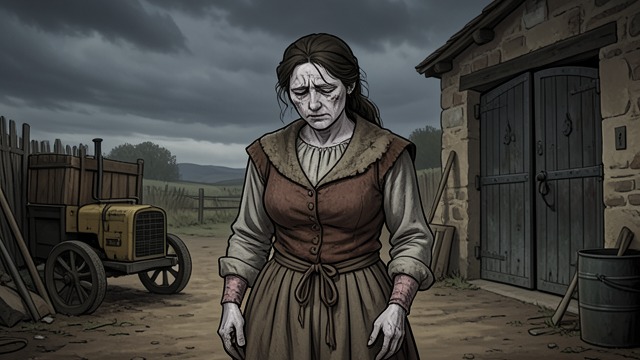
Tess accepts increasingly difficult work at Flintcomb-Ash because seasonal jobs are scarce. The farm offers wages and a place to stay, but little protection from exhaustion or harassment.
Vulnerability invites leverage
Alec’s offers seem attractive partly because Tess is cold, tired, and worried about her family. Her rejection is an act of will under conditions designed to wear that will down.
A House for the Family
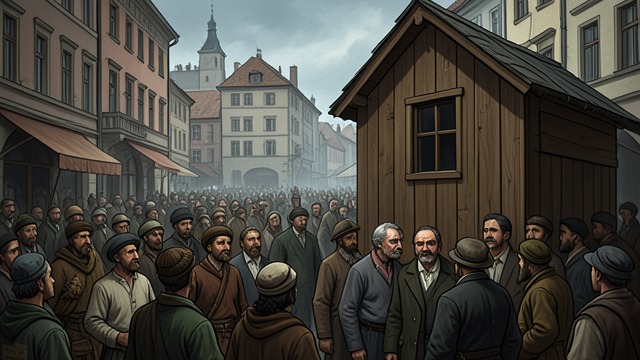
A House for the Family
Alec’s offer
Alec proposes that Joan and the children live in his former poultry house and promises schooling and support. Tess rejects the offer because she distrusts his intentions and fears renewed dependence.
Need sharpens the dilemma
After John’s death and the ending of the lease, the family’s need for shelter becomes immediate. The offer gains practical force even as its emotional cost remains clear.
after Parson Tringham reveals John’s ancestry
early summer, after Prince’s death
after Angel and Tess separate at Wellbridge
winter and early spring at Flintcomb-Ash
the evening before the Durbeyfields leave Marlott
